








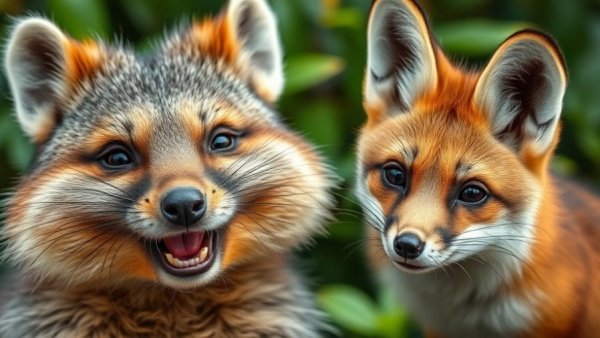
Understanding the Bond: Why Some Wild Animals Love Humans
The connection between humans and wild animals has always sparked a sense of wonder. While many of us have heard stories of wild beasts being hostile, there are fascinating instances where certain species not only tolerate human presence but seem to genuinely enjoy it. In exploring the topic of wild animals that love humans, we uncover a world that challenges our preconceptions and illustrates the incredible capabilities of empathy and social bonds found in some of nature's most unexpected inhabitants.
In 'Wild Animals That Actually Love Humans', the discussion dives into how certain wild animals exhibit affectionate behaviors towards humans, exploring key insights that sparked deeper analysis on our end.
Unlikely Friends: The Most Affectionate Animals
Animals such as dolphins, elephants, and certain primates have shown remarkable affection towards humans. For instance, dolphins are known for their playful nature and often interact joyfully with human swimmers. This playful spirit reflects their intelligence and social nature. Elephants, on the other hand, demonstrate their affection through intricate bonding rituals, showcasing their emotional depth and capacity for love. Interestingly, these heartwarming interactions often arise in environments where these species are protected or rehabilitated, suggesting that exposure to kindness can evoke a strong emotional response. This phenomenon raises interesting questions about how our actions influence these bonds, inviting us to reflect on our responsibilities as caretakers of the planet.
Fostering Connection: Animals in Rescue and Rehabilitation
Rescue organizations often report that wild animals, when rescued and rehabilitated, can develop profound connections with their caregivers. For example, orphaned bear cubs have been known to seek out hugs from their human caretakers. These instances not only showcase the depth of these animals' emotional lives but also highlight the critical role that human intervention plays in their recovery. Specializing in rehabilitation can ensure that these animals flourish, allowing them to return to their natural habitats with a newfound understanding of both the wild and their human counterparts.
Additionally, the bond formed during rehabilitation can create advocates for wildlife. Many people who work with these animals develop a lasting commitment to their welfare and conservation. This relationship serves as a bridge connecting the public to the natural world, emphasizing the importance of ethics and empathy in wildlife care. Those who volunteer or work in these settings often find themselves deeply impacted, leading to lifelong missions to protect and understand wildlife.
The Science of Love: Understanding Emotional Bonds
The capacity for love and affection in wild animals is not merely anecdotal; studies have shown that animals, much like humans, experience a range of emotions and nuanced social relationships. Animal behaviorists point out that these interactions can be attributed to both genetic predispositions and environmental factors. For example, more social species like ravens and parrots thrive on social interactions both with their own kind and with humans, indicating an adaptable nature that encourages bonds beyond species boundaries. Studies using emotional recognition tasks have indicated that animals can understand human gestures and tone, reinforcing the idea that our ability to communicate has a significant impact on their behavior.
Parallel Examples: The Wild in Our Homes
Consider how our pets, often descendants of wild ancestors, mirror these affectionate tendencies. Dogs, descended from wolves, and cats, descended from solitary hunters, each exhibit behaviors that reflect their wild pasts melded with a deep bond to humans. Pets exhibit loyalty, empathy, and affection that enrich our lives, showcasing an evolutionary path intertwined with human companionship. The role of domesticated animals as companions underscores a long history of mutual dependence and cooperation that began with our earliest interactions.
This connection is often marked by unique communication styles, with pet owners developing distinct signals and cues that convey affection. Just as dolphins communicate playfully with humans, pets engage in behaviors that encourage bonding, such as following their owners or forming physical closeness. Understanding these connections encourages a deeper appreciation for the emotional worlds of our pets, as well as a recognition of their origins in the wild.
Challenges and Risks: Navigating Interactions with Wild Animals
While it's heartening to see affectionate behaviors, there are inherent risks in anthropomorphizing wild animals. Understanding their nature is essential for both safety and their well-being. A bond built on misunderstanding can lead to dangerous situations for both humans and animals. For example, a wild animal's instinct to defend itself can be misinterpreted as aggression. Education on the natural behaviors of these creatures fosters better interactions and enhances our ability to coexist sustainably. Potentially harmful scenarios, like feeding wild animals or attempting to domesticate them, can disrupt their natural behaviors and jeopardize their safety.
Public awareness campaigns and educational programs addressing wildlife interaction can cultivate a more informed society. Learning about how wildlife functions in their ecosystem strengthens the understanding of why it is so important to interact responsibly and respectfully.
Emotional Impact: The Rewards of Bonding with Animals
Engaging with animals, whether domestic or wild, delivers emotional and psychological rewards that can elevate the quality of our lives. Research indicates that interactions with animals can reduce stress, boost emotional health, and enhance overall well-being. This is especially true for those who work in animal welfare, where the daily exposure to animals can foster a sense of purpose and fulfillment. The emotional richness found in our relationships with wild animals acts as a reminder of the connections that exist in the natural world.
For many, seeking out opportunities to engage with wildlife, even in controlled environments such as sanctuaries or educational centers, can provide therapeutic benefits. The joy and fulfillment derived from these experiences can significantly enhance an individual's quality of life, fostering compassion and a greater sense of community responsibility.
To conclude, the topic of wild animals that love humans not only speaks to the beauty of our shared planet but also highlights the importance of responsible stewardship. As we share space with these animals, it’s vital to promote their welfare and respect their wildness. If you’re passionate about learning more and fostering better relationships with wildlife, consider getting involved in local rescue efforts or educational outreach programs. Every small action can contribute to a greater understanding and appreciation for the wild creatures that share our world. By cultivating a compassionate attitude towards wildlife and recognizing their emotional lives, we can work together towards a healthier coexistence.





Write A Comment