








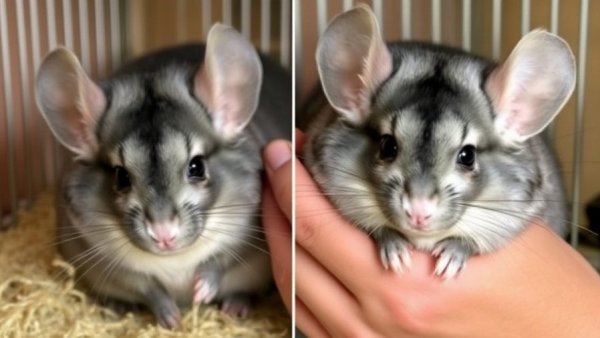
From Dire Conditions to Hope: The Chinchilla Rescue
Nearly 1,000 chinchillas recently found their way to safety, rescued from dire conditions in a breeding facility that lacked proper sanitation. These sensitive and fragile creatures require a lot of specific care to thrive, making their rescue both urgent and heartwarming. In this piece, we’ll explore what makes chinchillas unique, the challenges they faced, and the incredible effort made by rescuers to provide them with a second chance.
In 'Nearly 1000 chinchillas rescued from dire conditions,' the discussion dives into the urgent rescue of chinchillas, exploring key insights that sparked deeper analysis on our end.
The Sensitive Nature of Chinchillas
Chinchillas are not your average pet. Sensitive to temperature fluctuations and requiring a unique diet, these animals thrive in environments that closely mimic their natural habitat in the Andes Mountains. Their soft, dense fur and large eyes only add to their charm, but they also signify their need for well-managed environments. Unfortunately, many people do not realize the complexities involved in caring for chinchillas, leading to neglectful situations like those seen in the recent rescue.
These pets require dust baths instead of water baths, as their fur is incapable of drying properly when soaked. Their unique digestive systems also necessitate a specialized diet rich in hay. The lack of this knowledge often leads to poor health, and, regrettably, many chinchillas find themselves in dire situations, as was the case during this recent rescue.
A Team Effort to Save Lives
The task of rescuing such a large number of chinchillas was no small feat. Dedicated teams, including volunteers from Canada, Mexico, and Australia, worked tirelessly to create a suitable shelter. This involved constructing appropriate cages and carefully designing enrichment spaces so that every chinchilla would have a place to feel safe and comfortable while being assessed and prepared for adoption. Teams built intricate hideouts and perches as a means to replicate their natural environment, which is essential for both psychological and physical well-being.
The collaborative effort exemplified the dedication of animal welfare organizations: experts in various fields came together to ensure the chinchillas would not only receive immediate care but also have their needs adequately addressed in the long run. The workers' determination to construct each cage by hand reflects a deep commitment to these creatures, a testament to their resilience and the volunteers' passion.
The Road to Recovery: A Vet Examination
Before these chinchillas can be placed in loving homes, each one must undergo a thorough veterinary examination. This crucial step ensures that they are healthy and ready for a new chapter in their lives. Every chinchilla received attention from skilled veterinarians who specialize in exotic animals, a reflection of the organization’s commitment not only to their immediate welfare but also to their long-term happiness as pets.
This examination identifies any health issues that need addressing—puppies and kittens may be considered "easy" cases, but chinchillas often have more complex medical needs. Following these check-ups, the organization ensures each animal is spayed or neutered to prevent future breeding, solving part of the problem that led them to the facility in the first place. With top-notch care and attention, these chinchillas are one step closer to thriving in loving homes.
The Reality of Pet Ownership
Many chinchillas were bred to be pets, yet their natural instincts and social needs often do not align with typical ownership expectations. As pet advocates, it is essential to educate potential adopters about the responsibilities that come with bringing such a unique creature into their homes. A chinchilla may seem adorable, but they require dedicated care and enrichment to truly thrive.
Prospective pet parents should understand that chinchillas are social animals and do best when they have companionship—this may mean adopting pairs or ensuring they receive daily interaction and playtime. Additionally, the right environment is crucial; a quiet, stable space free of drafts is vital, as chinchillas can easily suffer from temperature-related stress. This article serves as a reminder that when considering pet ownership, it’s paramount to choose with care and ensure you can meet all of your pet’s needs.
Finding Forever Homes
Once vetted and ready for adoption, these chinchillas will be placed with knowledgeable and caring individuals. The rescue organization will collaborate with experienced shelters to ensure these creatures go to homes where they'll receive the loving attention they deserve. This not only promotes the well-being of the chinchillas but also fosters a deeper connection between the pets and their new guardians.
Adopters must go through a careful screening process that includes education about chinchilla care as well as understanding their long-term needs. Such diligence is critical in ensuring that these chinchillas will live happy, healthy lives in environments that appreciate their unique characteristics. By fostering educated pet owners, organizations aim to mitigate the risk of future rescues while nurturing a more informed public.
Why This Rescue Matters
The rescue of these chinchillas highlights significant issues surrounding animal welfare and pet ownership. It raises awareness about the importance of responsible breeding practices and the dire consequences of neglect. For potential adopters and current pet owners, this story serves as a reminder of the human-animal bond and the ethical responsibilities that come with it.
In discussing the chinchillas’ plight, we bring to light the crucial need for responsible pet ownership, education, and advocacy surrounding all types of animals. The truth is, the ripple effects of rescuing these chinchillas extend far beyond just their immediate needs—it fosters a stronger community for animal advocacy.
Join the Movement: Adopt or Advocate
If you’re inspired by this story of rescue and hope, consider adopting a chinchilla or supporting local shelters and advocacy groups dedicated to animal welfare. Every action counts, whether it is volunteering, donating, or simply spreading the word about the needs of rescued animals. Together, we can create a loving environment for animals who’ve faced hardship.
The rescue of nearly 1000 chinchillas brings forth not just a tale of survival, but a call to action for all pet lovers. Let’s continue to advocate for those whose voices cannot speak for themselves, ensuring a brighter future for all animals in need. By getting involved, you not only help these chinchillas but also contribute toward a more knowledgeable and compassionate society capable of caring for the unique beings that share our world.






Write A Comment