








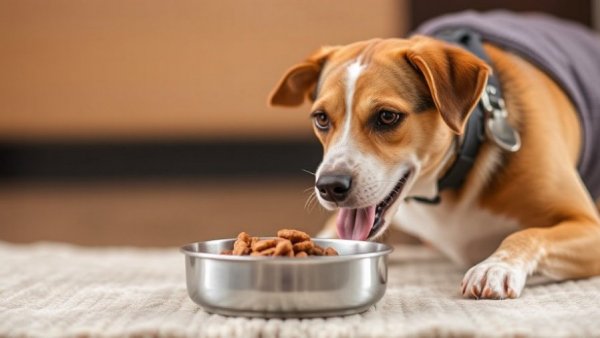
Understanding Food Allergies in Chihuahuas
For many Chihuahua lovers, the smallest details can make a world of difference in the health and happiness of our cherished companions. Food allergies might not be as common as environmental allergies, but they are still a significant concern for pet parents. Knowing about food allergies is especially pertinent for Chihuahua owners, as this breed can be particularly sensitive to various food ingredients.
A food allergy in dogs, including Chihuahuas, occurs when their immune systems misidentify an ingredient in their diet as harmful. This can lead to various distressing symptoms, affecting your pup’s well-being. Often, it doesn’t matter how long your furbaby has been enjoying a particular food; they might develop an allergy to it out of the blue! Understanding this can help you monitor your dog better over time.
Key Symptoms of Food Allergies in Chihuahuas
Recognizing the signs that your Chihuahua may have a food allergy is crucial for prompt treatment. Here are some of the most telling symptoms:
1. Persistent Itching and Scratching
If you notice your dog scratching excessively, especially between their toes, underbelly, ears, or even their groin, it could be a sign of food allergies. This constant scratching can lead to skin irritations that may require a visit to the veterinarian. Keep an eye on how often your Chihuahua is scratching as this could indicate discomfort and warrant intervention.
2. Recurring Ear Infections
Does your Chihuahua seem to battle ear infections repeatedly? This could be linked to food allergies. The inflammation caused by an allergic reaction can make ears more susceptible to infections caused by yeast or bacteria. Regular trips to the vet can help determine if allergies are the underlying cause. Ear infections can not only cause discomfort but can also lead to more severe health issues if not addressed in a timely manner.
3. Digestive Disturbances
Gastrointestinal symptoms are particularly common in dogs with food allergies. Signs may include vomiting, diarrhea, or excessive gas. Keep in mind that similar symptoms can arise from other health issues, so always consult a veterinarian if something seems off with your puppy's digestion. Monitoring your Chihuahua's poop and appetite could provide additional clues about their digestive health.
4. Red, Irritated Skin & Hot Spots
An allergic reaction often draws the attention of the skin, leading to visible rashes, redness, and even painful hot spots. These conditions can worsen if left untreated and may require medication to address both the skin issues and the underlying allergy. If you notice any persistent skin problems, it is essential to get veterinary help, as these hot spots can become quite painful and may require treatment for infection.
5. Symptoms Year-Round
Unlike environmental allergies that fluctuate with the seasons, food allergies tend to present consistently throughout the year. If your Chihuahua shows symptoms regardless of the season, it could indicate a food allergy, and a trip to the vet is in order. Year-round symptoms can often manifest as an ongoing struggle for your pet, impacting their overall quality of life.
Potential Culprits: Foods that Trigger Allergies
Common allergens in dog food often include proteins like beef, chicken, and lamb, but other ingredients such as grains, dairy, or eggs can also be problematic. Each dog is unique, meaning that understanding your Chihuahua’s dietary sensitivities can be crucial in preventing allergic reactions. Consider keeping a food diary for your Chihuahua, documenting what they eat, to help identify possible triggers. This can be an invaluable tool in conversations with your vet.
Steps to Take if You Suspect a Food Allergy
If you believe your Chihuahua might have food allergies, the first step is to consult your vet. They can assist in pinpointing the exact issue, possibly suggesting an elimination diet. This way, you can slowly introduce ingredients back into their diet to identify which ones are problematic. The process can take some time, but it’s essential to be patient and thorough in order to achieve the best results for your furry friend.
Care Tips for Your Allergic Chihuahua
If allergies are confirmed, consider these additional steps to ensure your Chihuahua remains comfortable and happy:
- Choose limited ingredient diets or hypoallergenic dog food brands that are specifically formulated to minimize allergic reactions.
- Monitor treats and ensure they are allergy-friendly, avoiding processed options which may contain hidden allergens.
- Keep your dog’s environment clean to reduce overall irritants, such as dust and pollen, which can exacerbate their symptoms.
- Regular grooming can help manage and avoid skin problems, keeping your Chihuahua’s coat and skin healthy and free from irritants.
Conclusion: Let's Keep Our Chihuahuas Thriving
As we navigate the world of Chihuahua care, understanding potential food allergies remains integral to maintaining their health. By utilizing the knowledge of these symptoms and taking proactive measures, we can ensure that our furry friends continue to live fun-filled, active lives devoid of discomfort. Allergic reactions can be frustrating for both pets and pet parents, but awareness can lead to effective management.
If you suspect that your Chihuahua is experiencing food allergy issues, don’t hesitate to reach out to your veterinarian for guidance. Taking early action can make a world of difference for your beloved pup! Remember, as dedicated owners, our ultimate goal is to give our Chihuahuas the best life possible, free from unnecessary discomfort.





Write A Comment