








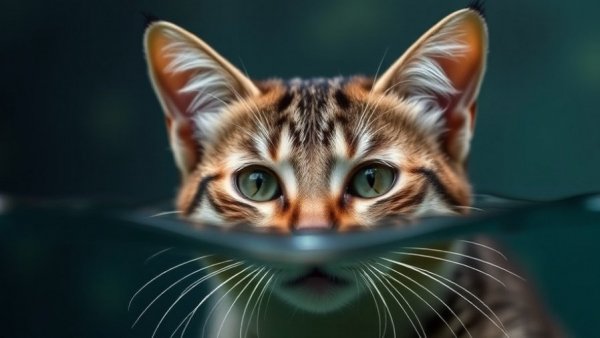
Protecting Fishing Cats: A Call to Action for Animal Friends
In the captivating world of wildlife conservation, few stories shine as brightly as the efforts to save the unique Fishing Cat. These cats, native to the wetlands and shallow waters of South and Southeast Asia, are not only remarkable hunters but also crucial for maintaining the ecological balance in their habitats. However, their population is dwindling, pushing them towards the brink of extinction due to habitat loss, poaching, and climate change.
In the video 'Vote to save Fishing Cats!', the importance of conservation efforts for this unique feline is highlighted, inspiring a deeper analysis of how we can contribute to their survival.
What Are Fishing Cats?
Fishing Cats (Prionailurus viverrinus) are medium-sized felines that have adapted to their aquatic surroundings. With their webbed feet, they are expert swimmers, often seen splashing through the wetlands in pursuit of fish, frogs, and crustaceans. Their striking appearance—thick, long fur covered in distinctive spots—makes them a magnificent sight, but this beauty comes at a cost as their habitats rapidly disappear. Understanding and embracing the unique characteristics of Fishing Cats can foster a deep appreciation for their role in our ecosystem. They not only highlight the rich biodiversity of their regions but also serve as indicators of environmental health.
The Importance of Habitat Conservation
Fishing Cats inhabit marshes, mangroves, and lakes—areas now under severe threat from urban development and agricultural expansion. With the growth of cities and farmlands, vital ecosystems are being drained or polluted, which leads to the fragmentation of habitats. Conserving these habitats is vital not only for the cats but also for the diverse ecosystem that thrives within them. For instance, the wetlands serve as home to countless species of birds, amphibians, and fish, all of which are integral to maintaining the balance of their environment. By protecting their natural environment, we ensure the survival of countless other species alongside these remarkable felines. As an animal advocate or pet owner, you can play an active role in this process by supporting conservation initiatives and promoting awareness in your community. Your local environmental groups might already be involved in efforts that could use your support or advocacy.
Together, We Can Make a Difference
The recent plea for votes to save Fishing Cats is a reflection of the collective effort by animal lovers everywhere. Initiatives like these show that even casual enthusiasts can participate in wildlife conservation. Whether you’re a potential adopter, a current pet owner, or an advocate for animal welfare, your voice matters. Funds and resources generated from these votes contribute to wildlife sanctuaries, rehabilitation programs, and public awareness campaigns essential for the conservation of Fishing Cats. Each vote brings in critically needed funds for projects focused on habitat restoration and community education. By voting for these initiatives, you are directly contributing to the cause and fostering a culture of conservation.
Inspiring Success Stories
Success stories abound in the world of wildlife conservation, and they serve as beacons of hope. For instance, the restoration of wetlands in certain areas has allowed for the revival of Fishing Cat populations. In some regions, dedicated conservationists, alongside local communities, have implemented successful breeding programs that give these cats a fighting chance. These programs not only nurture Fishing Cats but also empower local residents by involving them in conservation efforts. Sharing these touching tales of resilience encourages others to rally behind the cause, fueling a larger movement of support for all wildlife. Each story amplifies the message that with concerted effort, positive change is indeed possible.
What You Can Do
As an individual, you can contribute to the conservation of Fishing Cats in several meaningful ways. Begin by educating yourself and others about their plight, engage with dedicated conservation platforms, and raise awareness on social media. Platforms like Instagram and Twitter are excellent for sharing easily digestible content that highlights the importance of protecting Fishing Cats. Additionally, consider donating to organizations that focus on habitat preservation and the rescue of Fishing Cats. Many organizations have direct links where contributions can significantly impact their efforts. Every small effort counts, and together, we can turn the tide for these beautiful creatures. Simple actions, like sharing a post or writing to a local representative, can make greater waves than we often realize.
Join The Movement
In the charm of the fishing cat tale lies a broader narrative about the importance of compassion for all species. By participating in efforts to save Fishing Cats, you are not just contributing to the survival of one species but also standing up for biodiversity as a whole. Finding opportunities to volunteer or participate in local conservation events can also have a profound effect. Sharing information and encouraging your friends and family to vote for conservation can have a resounding impact. Together, our collective voices can influence policymakers and protect the habitats these majestic cats depend on. Let’s unite our voices and efforts for a future where these majestic cats can thrive alongside us.
Your Vote and Support Matter
In essence, every voice counts in the fight for animal welfare and conservation. Let us come together to ensure that Fishing Cats have a fighting chance by voting and supporting initiatives dedicated to their preservation. Reach out, learn more about conservation efforts, and find ways to get involved. Your actions can lead to positive changes in the world for Fishing Cats and many other cherished species. Remember, the fight for conservation is not only about preserving one species but about fostering a world where all creatures, great and small, can coexist peacefully. Together, we can make a lasting impact for future generations.”






Write A Comment