








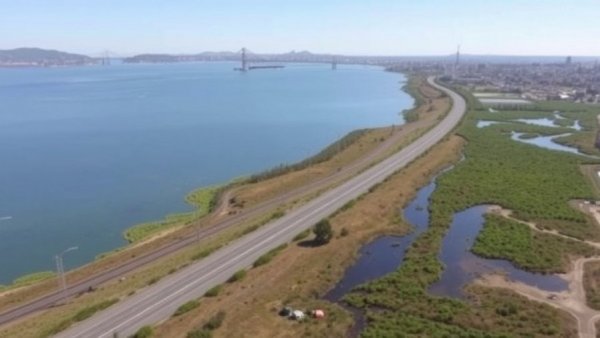
Saving the Freeway and Wetlands: A Community Effort
In a remarkable effort to blend infrastructure and environmental preservation, the Environmental Protection Agency (EPA) has awarded $13.9 million to a project designed to elevate the flooding-prone State Route 37 while also restoring the vital Strip Marsh East in the San Pablo Bay National Wildlife Refuge. This innovative project is a collaboration among Audubon California, local governments, transportation agencies, and restoration practitioners, aiming to create a resilient infrastructure that benefits both wildlife and local residents.
Why This Project Matters
Transportation systems like State Route 37 are essential for connecting communities. They facilitate the movement of people, goods, and services, keeping families and businesses linked. However, when weather patterns change and flooding becomes more frequent, it threatens both transportation and the natural landscape. This project aims to resolve this issue by combining two priorities: providing a safe route for travelers and restoring vital wetlands that are crucial habitats for wildlife, including many bird species that are integral to the local ecosystem.
Collaboration is Key for Success
Andrea Jones, the Vice President of California at the National Audubon Society, emphasizes how this project demonstrates a new approach to infrastructure. "This innovative cross-sector project points to a new and better way for how cities can blend infrastructure and environmental priorities," she stated. When transportation experts, local government officials, and environmentalists collaborate, it provides a balanced solution that benefits everyone involved. This collaboration represents a shift in how cities can prioritize both urban development and environmental conservation.
The Role of Wetlands in Our Ecosystem
Wetlands are often referred to as the kidneys of our landscape. They filter pollutants from water, provide natural storm protection, and house diverse wildlife species. The restoration of Strip Marsh East not only helps with flooding mitigation but also reinvigorates the ecosystem, supporting the rich biodiversity of the San Francisco Bay area. These wetlands are breeding grounds for many aquatic species and provide food and habitat for birds, mammals, and other creatures. A healthy wetland ecosystem is critical for maintaining the balance of nature, and projects like this play a vital role in that effort.
Community Involvement: Engaging the People
This project isn’t just about construction and restoration; it’s about engaging and educating the local community. Residents will have opportunities to participate in volunteer programs and outreach efforts, fostering a deeper connection to the environment. Community involvement encourages a shared responsibility for natural resources. Local residents can participate in clean-up days, planting native species, or monitoring wildlife. This engagement promotes awareness of environmental challenges, something that is crucial for future generations. When people feel connected to their environment, they are more likely to support conservation efforts and sustainable practices.
Future Impact and Resilience
The success of this project could pave the way for similar initiatives across the country. It showcases how communities can tackle the challenges posed by climate change while ensuring that their infrastructure aligns with the needs of both people and wildlife. As other regions experience flooding and habitat loss, looking to integrated solutions like the one being implemented here may provide a blueprint for resilience. The lessons learned from this project can inform future projects, making communities more adaptable to shifting environmental conditions.
Broader Context: Living with Climate Change
The necessity for projects like this stems from the increasing impacts of climate change, which is causing more frequent and severe weather events. Coastal regions, such as those surrounding the San Francisco Bay, are particularly vulnerable to rising sea levels and heightened flooding risks. The innovative combination of highway elevation and wetland restoration serves as a proactive response to these challenges. It's a reminder that environmental stewardship and infrastructure development should go hand-in-hand. By addressing both, communities can create a more sustainable future and protect both their residents and their natural habitats.
Take Note: What You Can Do
As communities work to protect their environments, you can play a part too. Stay informed about local environmental initiatives and participate in them where possible. Volunteering for conservation projects, such as habitat restoration or clean-up efforts, can make a direct impact on the health of your local ecosystem. Additionally, adopting more eco-friendly choices in your daily life, like reducing waste, conserving water, and supporting local wildlife, can contribute to the broader movement of environmental protection. Every effort counts in ensuring a sustainable future for our planet, and your involvement can help bridge the gap between human needs and environmental health.
Conclusion
In an evolving world facing climate challenges, the collaborative effort in the San Francisco Bay area sets a hopeful example of how infrastructure and environmental conservation can go hand in hand. By safeguarding both the freeway and the wetlands, this project aims to create a resilient future for the community and its wildlife, serving as an inspiring model for similar initiatives across the nation.




Write A Comment