








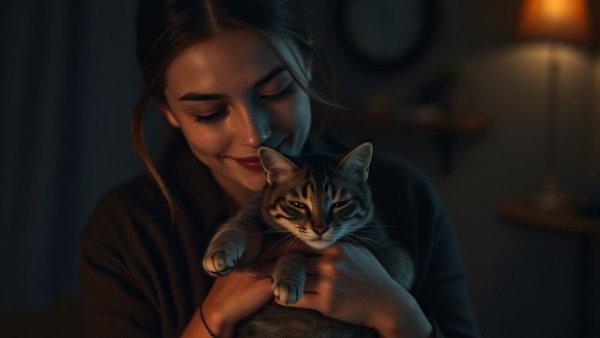
Understanding Feline Emotions: How Cats Miss You
As a pet lover, you know that cats aren’t just independent creatures; they are soulful beings filled with quirky behaviors that express their emotions in profound ways. When you leave your furry friend alone, you might wonder, "Does my cat actually miss me?" The answer is a resounding yes! Just like humans, cats have emotional lives, and they often showcase their feelings in various ways. In this article, we explore the signs that signal when your feline companion is longing for your presence, alongside insights into why these behaviors occur.
In 'Ways Your Cat Might Show It Misses You,' the discussion dives into feline emotions, exploring key insights that sparked deeper analysis on our end.
Signs Your Cat Might Be Missing You
Cats communicate through behavior, and understanding these expressions can enhance your bond. Here are some common signs indicating that your cat might be missing you:
- Vocalizations: If your cat starts meowing or yowling more than usual, this can be a direct way of expressing its yearning for you. Some cats become more talkative when their owners are absent, seeking your attention from a distance. This vocal behavior can vary from gentle purring to loud demands, signaling their desire for companionship.
- Increased Affection: Upon your return, your cat may jump into your lap or rub against your legs. This behavior often signifies that they are not only excited to see you but have also felt your absence. Cats thrive on physical affection; your presence can help reassure them and fulfill their emotional needs.
- Change in Play Behavior: If your cat suddenly shows less interest in toys or playtime, it could be a sign of distress. This transitional play behavior might indicate that your cat is feeling lonely and is missing your interaction. Conversely, some cats might overcompensate by playing excessively to cope with your absence.
- Waiting by the Door: Cats are creatures of habit. If you notice your kitty waiting patiently by the door for you to come home, it’s a clear signal that they miss your companionship. This behavior shows their anticipation and loyalty, as they watch and listen for your return.
- Scent Marking: When cats are feeling insecure, they often engage in scent-marking behaviors to comfort themselves. They may rub against furniture or even your belongings, leaving behind their unique scent as an anchor in your absence. This can also be an expression of ownership, reaffirming their connection to you.
The Psychology Behind Feline Attachment
Understanding the psychology of cats can provide further insight into why these behaviors manifest. Research shows that domestic cats, much like their canine counterparts, form attachments to their owners and can experience separation anxiety. This emotional connection sometimes leads to stress when their owner is away. The resulting behaviors are attempts by the cat to cope with the missing bond. Just as children rely on caregivers for stability, cats, too, depend on their human companions for emotional security.
Emotional Needs of Cats: Why Bonding is Essential
Cats thrive on social interactions. They are not solitary hunters as often depicted; rather, they enjoy forming bonds and spending time with their human companions. These emotional needs are pivotal for their mental well-being. Recognizing the affection your cat shows upon reunion can enhance your relationship. Engaging in play and providing a comforting environment can help reassure your pet when you must leave. Furthermore, being attentive to their moods and adapting to their social needs will promote a healthy emotional atmosphere in your home.
How to Ease Your Cat’s Separation Anxiety
As a responsible pet owner, you want to alleviate any distress your absence might cause your furry friend. Here are some practical tips to make your time away easier for both of you:
- Interactive Toys: Leave your cat with interactive toys that keep them mentally stimulated in your absence. Puzzle feeders or feather wands can engage their hunting instincts and reduce their longing for you. This can not only entertain them but also keep them physically active, preventing boredom.
- Comfort Items: Consider placing an item with your scent where your cat rests. A piece of your clothing can create a sense of security for your pet when they feel alone. You might even explore diffusers that mimic your scent or use pet-safe pheromone sprays designed to calm anxious cats.
- Consistent Routines: Cats thrive on routine. By maintaining consistent feeding and playtime schedules, you can instill a sense of stability for your cat, making your absence less daunting. Predictability helps cats feel secure; they often appreciate knowing what to expect from their environment.
- Quality Time: Ensure that you dedicate quality time with your cat when you’re home. Lots of petting, playing, and cuddling can reinforce your bond and assure them of your affection. This positive interaction serves not only to comfort them but also strengthens your relationship.
- Consider Another Companion: If it’s feasible, you might consider adopting another cat or pet to keep your feline friend company while you are away. However, introducing a new pet should be done thoughtfully, taking into account their personalities and ensuring they can coexist peacefully.
Conclusion: Building Bridges with Your Feline Companion
Your feline friend is more than just a pet; it’s a lifelong companion capable of forming deep emotional connections. By understanding the signs that show your cat misses you and taking steps to ease their anxiety, you are not only nurturing your relationship but also ensuring their happiness. If you observe signs of distress in your furry friend when you’re apart, remember that you can make a difference through thoughtful interaction and care.
If you’re a cat owner invested in enriching your pet’s emotional well-being, take these insights to heart and strengthen the bond that makes pet ownership such a delight. Understanding your cat's emotions can lead to a more harmonious home, ensuring that both you and your companion can thrive together.





Write A Comment