








Imagining Our Shores 50 Years From Now
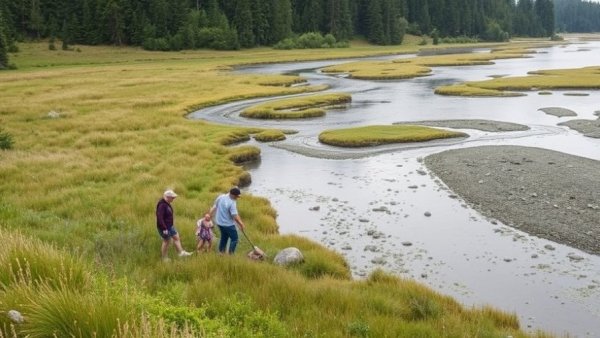
Imagine standing on a local beach 50 years from now. The sun is shining, and the waves are lapping at your feet, but something feels different. The water is higher than you remember. As you look around, you see that the sea levels are an average of 1 foot higher. You notice how the storms are more severe, rolling in with a ferocity that makes it hard to enjoy this beautiful spot. Flooding and erosion are becoming common, affecting our coastal communities. It's a picture that can feel daunting, yet it's essential to face this future with hope and perseverance. While that future might seem distant, the actions we take today can create ripples of change that will shape the landscape for generations.
Importance of Coastal Habitats
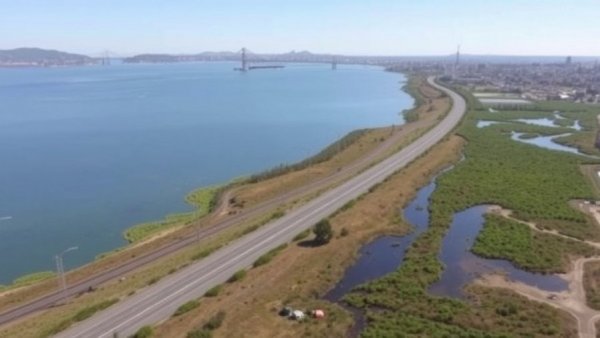
Think about the coastal habitats that sustain extraordinary life: the estuaries that serve as nurseries for young salmon, the shorelines that provide resting spots for shorebirds, and the beaches where fish spawn. These ecosystems support countless species and are vital to the health of our environment. Each element in this rich tapestry of life is interconnected, contributing to the vibrancy that surrounds us. It's within these ecosystems that we often find tranquility, whether during a family picnic, a sizzling summer BBQ, or quiet moments of reflection while watching the sun set over the horizon.
Audubon Washington's Efforts
One important organization leading the charge is Audubon Washington, which has been working tirelessly to shape new state shoreline planning rules. Their efforts aim to ensure that future generations can enjoy the beautiful coastal habitats we cherish today. This isn't just about the birds or fish that depend on these areas; it's about communities and families who recreate on these beaches, making memories and enjoying nature's beauty. Through various community engagement initiatives, Audubon Washington encourages local residents to participate in the decision-making processes that affect their shorelines. By fostering a sense of community involvement, they help to create a passionate group of advocates for the environment.
Legislation for a Sustainable Future
In 2023, Audubon joined forces with a broad coalition of partners to support the passage of HB 1181, landmark legislation aimed at improving Washington's response to climate change. This vital law instructed the Washington Department of Ecology to regularly update the state's Shoreline Master Program guidelines. By doing so, local governments can better adapt to the challenges posed by climate change. These updates are essential, as they will help shield our communities from rising waters and the increasing severity of weather-related events. Proactive legislation like this lays the groundwork for informed decisions that respect both human needs and environmental integrity.
Lessons from Nature: Why Action is Essential
By understanding the challenges that our shorelines face, we can gain insights into our role in helping to protect these vital ecosystems. Each of us has the power to make a difference. Whether it's reducing plastic usage, participating in beach clean-up events, or advocating for eco-friendly policies, small actions can lead to substantial change. Our connection to nature inspires us to act, and it fuels the passion found in many families who spend time outdoors. Encouraging children to appreciate nature is crucial; by involving them in conservation efforts, we can instill a sense of responsibility in the next generation, ensuring they inherit a healthier planet.
The Ripple Effect of Climate Change
Climate change isn't just an environmental issue; it's a social one too. Vulnerable communities are disproportionately affected by flooding and erosion, making resilience a shared responsibility. Discussions around equitable solutions are crucial as we navigate these challenging waters together. We must ensure that everyone's voice is heard in the planning processes, respecting the needs of diverse communities and ensuring equitable access to our shared coasts. This approach not only addresses the immediate impacts of climate change, but also fosters a spirit of collaboration and understanding among different groups affected by these issues.
Future Predictions: What Lies Ahead
There is a sense of urgency surrounding coastal conservation. With scientific projections indicating that sea levels could potentially rise even further in the coming decades, the work being done today has never been more important. By committing to sustainable practices, creating policies that prioritize ecological health, and investing in infrastructure that respects both nature and communities, we not only mold a better future but also proactively protect what we hold dear. Changing the trajectory of climate impacts requires a collective effort from all of us, and maintaining an open dialogue about these challenges is essential.
Get Involved and Shape the Future
Getting involved means more than just staying informed; it means being proactive. Individuals can join local conservation groups, participate in community discussions, and advocate for policies that favor sustainable practices. Your voice and action can have a ripple effect, pushing for positive change across Washington's coastlines. Consider volunteering at local organizations focused on coastal preservation, or even attending town hall meetings where shoreline policies are discussed. Together, we can help preserve the unique ecosystems that mean so much not only to wildlife, but also to our lifestyle and identity as residents of this beautiful state. By fostering a stronger relationship with nature, we become stewards of our environment, taking pride in the spaces we cherish.



Write A Comment