








Understanding the Western Arctic: A Hidden Gem
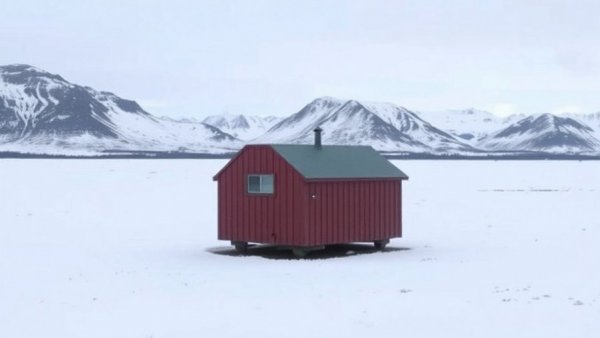
The Western Arctic is often portrayed as a vast and empty space, but those who venture into its depths discover a treasure trove of life, stories, and connections. The region is home to many wildlife species and communities with profound ties to the landscape, revealing its complexity and significance. Unlike the dense urban environments many are accustomed to, the Arctic provides a vast canvas of nature, with stunning landscapes ranging from sweeping tundras to rugged mountains and sparkling rivers.
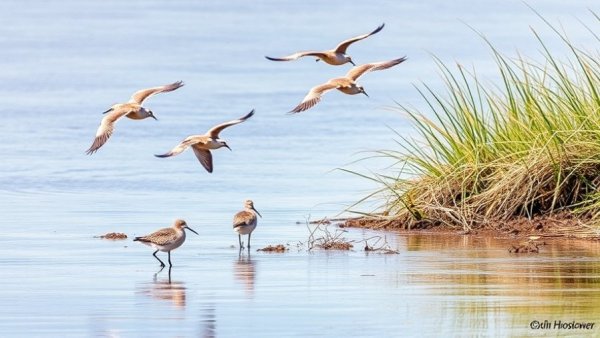
In this often-overlooked region, one can find a diverse array of wildlife, from caribou herds migrating across the tundra to numerous bird species nesting in cliffs and along riverbanks. The natural rhythms of these animals are intertwined with the lives of the local inhabitants, who have adapted their lifestyles to coexist with the unpredictable Arctic environment.
Meet Robyn Thomas: The Voice of the Arctic
In this first edition of Western Arctic Watch, we meet Robyn Thomas, an Arctic guide and bird researcher. Thomas first traveled to Alaska's Arctic in 2021, drawn by her passion for the unique beauty of the region. Each visit has deepened her appreciation for Arctic wildlife, especially the birds that thrive in this distinct environment. "There is something magical about being in the heart of such untouched wilderness," she shares, highlighting the serenity and wonder that comes from experiencing nature at its purest.
Robyn not only observes these majestic birds but also immerses herself in the customs and stories of local communities. Her research aims to connect people to the Arctic's natural wonders, educating them about the important roles various species play in the ecosystem. This work fosters a greater appreciation, encouraging others to become advocates for conservation.
The Remarkable Bond Between Birds and Communities
Through her work, Thomas explores the surprising connections between Arctic birds and people from thousands of miles away. Migratory birds travel vast distances, including many that winter in warmer regions. For instance, the Arctic Tern is famous for its long migration from the Arctic to Antarctica and back each year. These journeys generate a profound connection between distant communities, as different cultures bond over shared experiences and an appreciation for these remarkable creatures.
Birdwatchers from across the globe may travel to witness these migratory marvels as they pass through Alaska’s rich habitats for a brief moment. Events like local bird festivals celebrate these visitors, drawing participants together to learn, share stories, and cultivate a love for avian life. Communities benefit not only from tourism but also foster an inclusive atmosphere where conservation talks and environmental stewardship are the main focus.
Why Conservation Matters
The stories of those who inhabit the Western Arctic highlight a critical need for conservation efforts. The region faces numerous challenges, from climate change to industrial development, threatening the delicate balance of its ecosystems. Community members argue passionately for the preservation of their land and wildlife, believing that the protection of nature is essential for future generations.
As temperatures rise and ice melts, the impact on local wildlife and habitats is apparent. Species that rely on icy environments for their survival are under threat, making conservation work increasingly important. Educating the surrounding communities and visitors about these challenges ensures that the stories and traditions tied to these lands continue to be told. "Our history is intertwined with this land, and we have a responsibility to safeguard it," Thomas emphasizes, revealing her deep commitment to the preservation efforts.
How You Can Help the Arctic
There are many ways individuals can contribute to the conservation of the Western Arctic. Engaging in local initiatives, raising awareness about environmental issues, and supporting policies aimed at protecting wildlife can make a difference. You don’t have to visit the Arctic to make an impact; even from afar, we can advocate for methods that reduce our carbon footprint and support sustainable practices.
Participating in local clean-up efforts, supporting wildlife charities, and advocating for policies that protect natural habitats are just a few ways to get involved. Every action counts, and spreading the message of conservation through social media or community events helps keep these critical issues in the public eye. Even small actions, such as reducing waste or choosing sustainable products, have the potential to create significant ripples in the fight against habitat loss.
Final Thoughts on the Western Arctic Watch
The Western Arctic is not merely a place; it is a tapestry woven from stories, experiences, and a deep connection to nature. As we embark on this journey through the Western Arctic Watch series, let Thomas's experiences inspire our collective responsibility to protect this remarkable part of the world. With every account shared, we gain insight into the breathtaking beauty and fragility of the Arctic ecosystem. "If we work together, we can ensure these lands and its inhabitants thrive for the people of tomorrow," Robyn Thomas advocates, reminding us of the power of community and collaboration in preserving this unique region.
Join us in exploring more stories from the Western Arctic in upcoming installments of the Western Arctic Watch series. Together, we can celebrate the natural world and all the wonders it holds, nurturing a future where wildlife and communities flourish side by side.




Write A Comment