








Protecting Our Urban Wildlife: Why Debs Park Matters
Imagine a bustling city where birds sing, plants grow, and wildlife thrives right in the heart of it all. This is the magic of Debs Park, an incredible urban refuge designed to support not only birds but also people. As urban areas grow and spread, habitats can quickly disappear due to buildings and roads. But at Debs Park, volunteers and community members come together to bring back nature, making it a better place for everyone. This effort is especially crucial in a rapidly urbanizing environment where traditional wildlife habitats are often lost, resulting in a clearer need for places like Debs Park.
Why Native Plants Matter
Restoring the land with native plants is one of the most significant steps towards creating a rich habitat. Native plants attract local birds, insects, and other wildlife because they provide the food and shelter those animals depend on. In 2023, an amazing 25,000 plants came from the Los Nogales Nursery and found homes in parks and gardens all around Los Angeles. Each plant plays a role in supporting our ecosystem, contributing to biodiversity, and ensuring that wildlife has a safe place to thrive. Native plants are accustomed to local climates and soil, making them much more resilient and beneficial to the environment.
Creating Community through Conservation
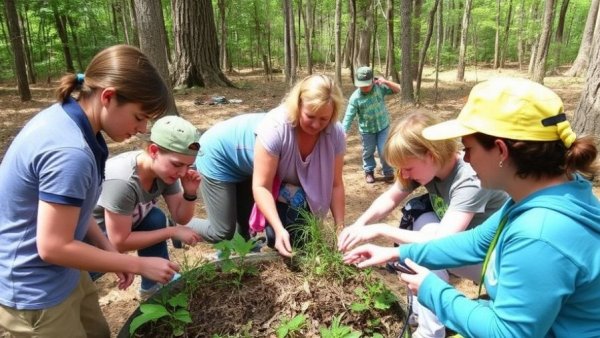
At Debs Park, community involvement has been the key to success. In just one year, over 1,600 volunteers rolled up their sleeves and got to work. Together, they prepared the land, planted trees and shrubs, and took care of the new growth. These community efforts not only enhance local wildlife habitats but also create a bond among participants as they learn about nature and its importance. It shows how working together benefits everyone! This collaborative spirit fosters a sense of shared responsibility and ownership over the local environment, connecting individuals from various backgrounds through a common goal.
A Year of Growth and Learning
This year was remarkable! Volunteers helped plant more than 1,200 native plants at three different locations in Northeast Los Angeles. Besides beautifying the area, these plants help filter air and water, combat erosion, and provide homes to various birds. The team at Debs Park didn’t just plant—they educated everyone about environmental issues, animal behavior, and how to foster a sustainable future. Workshops and hands-on activities helped participants gain valuable skills in horticulture and wildlife conservation, reinforcing the idea that everyone can play a role in protecting our planet.
Opportunity for Everyone: Youth Programs
What’s even more inspiring is how young people got involved through structured programs at the Audubon Center. These programs teach kids about conservation and animal welfare, providing them with lifelong lessons on respect for nature. Participants engage in activities that promote teamwork while learning about the importance of preserving our ecosystems. They play a vital role in the future of bird populations and urban habitats, ensuring that the next generation remains attentive to environmental challenges. This early involvement can spark lifelong interests in environmental stewardship and create future advocates for wildlife conservation.
The Challenge of Invasive Species
Although the volunteers have made great strides, challenges remain. Invasive plants often threaten native species. They can take over and crowd out the plants our local wildlife depends on. That’s why dedicated teams continuously work to remove these invasive species and replace them with plants that support biodiversity. This ongoing initiative is crucial because invasive plants can disrupt entire ecosystems, affecting not only wild species but also the health of surrounding communities. By learning to recognize and combat these invaders, volunteers not only help protect flora and fauna but also gain important environmental awareness that they can carry into other aspects of their lives.
Connecting with Nature: A Personal Story
Consider how rewarding it is for individuals to connect with nature while volunteering. Many participants share stories about the joy of spotting a rare bird or their happiness from nurturing a small plant that grows strong and tall. This connection builds a sense of responsibility toward our local environment, reminding us all that we share this land with thousands of creatures. For many volunteers, these experiences create cherished memories and a deeper appreciation for the natural world, reinforcing the idea that everyone can contribute to a greater cause.
Looking Forward: What’s Next for Debs Park?
As we look to the future, the ongoing commitment from volunteers and local organizations will play a crucial role in shaping the success of Debs Park. Plans are underway to expand educational programs, introduce more workshops about sustainable practices, and increase community partnerships. With the community's passion and support, Debs Park can continue to thrive and inspire action in conservation. The love for our environment is like growing a garden—it takes time, care, and dedication. Together, we can ensure that this vital urban oasis continues to flourish and serve both wildlife and people for many years to come.
The Call to Action: Get Involved!
If you want to help restore habitats and brighten the future for our local wildlife, consider volunteering. You can make a difference whether you're planting a garden, educating others, or simply learning about the birds around us. Join in at Debs Park or check out similar organizations in your area. Your involvement supports wildlife, beautifies neighborhoods, and fosters community spirit! It’s not just about environmental conservation; it’s about building connections, making friends, and creating memorable experiences. So grab your gloves, rally your friends, and be part of the change!



Write A Comment