








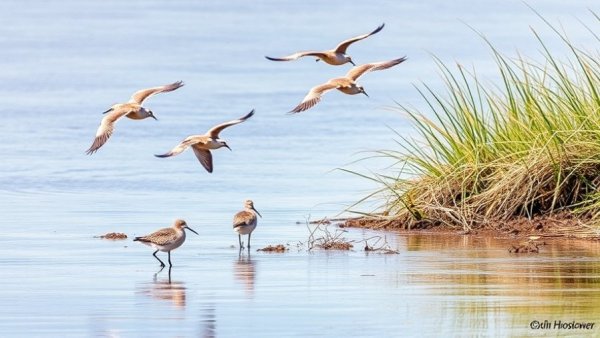
Witnessing Nature's Wonders: A Shorebird Adventure
In the early dawn hours of a crisp April morning, two generations of bird watchers embark on an incredible journey along the shores of the Great Salt Lake in Utah. Max Malmquist, with keen eyes and a resolute spirit, joins his dad, Mike, in counting Snowy Plovers—a tiny bird known for its incredible camouflage abilities. For Max, this isn't just a casual outing; it's a ritual that strengthens family bonds and connects them deeply with nature. Their journey begins just as the world wakes up, with the soft chirping of birds and the gentle lapping of water against the shore, creating a soothing soundtrack to their count.
The Art of Counting: A Family Tradition
As they settle near the water's edge, the serenity of nature surrounds them. Max, a young expert at spotting these elusive birds, scans the horizon with precision while his father diligently tallies their findings. The duo have developed their own routine over the years, with Mike reminding Max to keep quiet and focus, fostering not just a sense of duty to nature but also to each other. Although it’s only Max’s second year surveying the lake, he has already grown passionate about the importance of this endeavor. The count isn’t merely an activity; it represents a commitment to conservation and education, showcasing how birds like the Snowy Plover contribute to our ecosystem.
Why Snowy Plovers Matter: Understanding Their Role
Snowy Plovers, like many shorebirds, play a vital role in maintaining the health of our natural habitats. They contribute to the ecological balance by controlling insect populations and serving as indicators of environmental health. These tiny birds, often only about the size of a ping-pong ball, thrive in sandy and gravelly beaches, where they build their nests directly on the ground, making them crucial for sustaining the populations of other species that depend on the same habitats. By studying them, we can gain valuable insights into the state of our ecosystems. Max’s enthusiasm for counting these birds is about more than numbers; it’s about advocating for a cause that impacts our planet. Nature lovers, including families with children, can learn from Max's dedication—understanding the joy of contributing to wildlife protection.
A Lesson in Patience: The Thrill of the Hunt
Spending hours scanning the sands and shorelines is a lesson in patience. For budding bird watchers, it’s not just about the thrill of spotting these delicate creatures, but also about learning to appreciate the subtleties of nature. The count can sometimes lead to moments of frustration when no birds are in sight, but these teachable moments also cultivate perseverance—an essential life skill. Max encourages those who want to join in this adventure: “Keep looking, and don’t give up,” reminding them that the rewards of observing wildlife require perseverance. The experience of being outside, breathing fresh air, and connecting with family further enriches this adventure. Each sighting becomes a tiny victory, celebrated quietly—one that bonds them even more.
Saving Habitats: A Call to Action
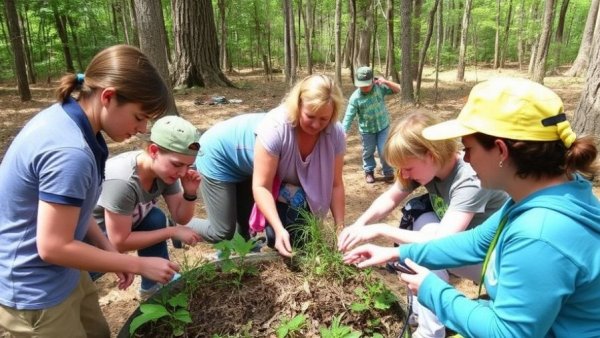
The bond between families and nature serves as a reminder of our responsibility for wildlife conservation. The Great Salt Lake is not only a beautiful landscape; it is a critical habitat for various bird species during migration. By participating in monitoring activities like these, families can advocate for habitats that nurture not just the Snowy Plovers, but countless other species that share their environment. Parents and kids alike can get involved in local volunteering, joining community initiatives that safeguard these precious ecosystems. Many organizations offer workshops or guided tours that help families learn how to spot birds, understand their behaviors, and even track their populations. Getting involved at the community level can create a greater awareness of environmental issues and foster a sense of pride in protecting nature.
Creating Lasting Memories: The Human-Bird Connection
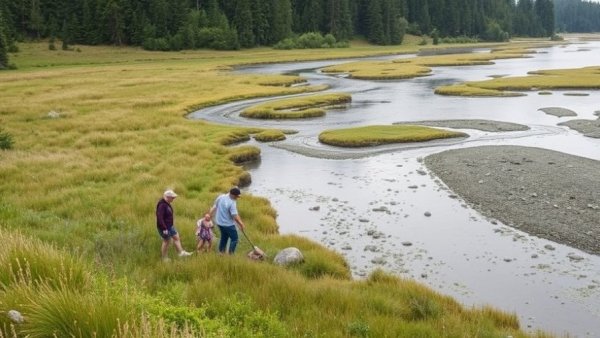
The relationship between humans and birds is deeper than it seems—it mirrors the powerful emotional bonds we form with our pets. Just as Max and Mike treasure their time together in nature, families can create lasting memories through simple activities like birdwatching or visiting local nature preserves. These experiences reinforce a sense of stewardship towards the environment, teaching children the importance of caring for wildlife. Many families replace screen time with outdoor adventures, encouraging their kids to explore and appreciate nature firsthand. This not only nurtures a love for the outdoors but also cultivates an understanding of the interconnectedness of life on Earth.
As you think about your next outdoor adventure, consider taking a moment to pause and appreciate the beauty of nature around you. Engage in activities that not only bring family and friends together but also contribute positively to the planet. Encouraging children to recognize and respect wildlife fosters a lifelong appreciation that can lead to future generations dedicated to conservation. Simple actions, like cleaning up litter in local parks or planting native species in gardens, can make a significant difference.
A Commitment to Nature
From generations of birdwatching to a newfound appreciation for conservation, every glimpse of a Snowy Plover is a reminder of the delicate interconnections within our ecosystems. Whether it’s at the Great Salt Lake or your local park, embark on your journey into nature with a mission—to count, appreciate, and advocate for our feathered friends. In doing so, you’re not just ensuring a future for birds like the Snowy Plover but also creating a legacy of compassion and responsibility for future generations. So grab your binoculars, gather your family, and make a plan to explore the great outdoors—one bird count at a time.




Write A Comment