








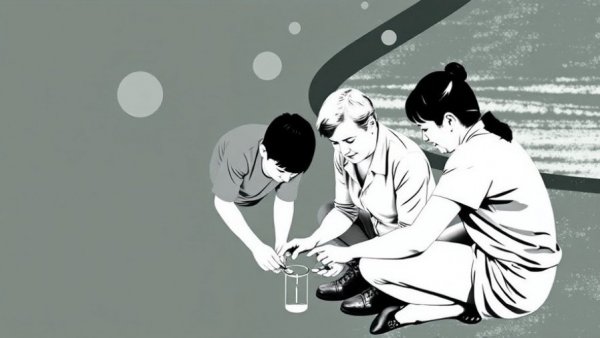
Winter Birding: A Community Tradition
As autumn gives way to winter and leaves blanket the ground, a different kind of beauty emerges from the cold. The vibrant act of birdwatching becomes a cherished tradition for families, schools, and communities across the country. In the chilly months ahead, many of us find joy and purpose in feeding the birds that flock to our backyards, turning the viewing of our feathered friends into a delightful seasonal pastime. Watching birds can be a calming presence during the long winter months, fostering a sense of peace and connection to nature that we often crave during this time.
Turning Observations into Action
One exciting way to engage with the winter birding season is through community science projects, like Audubon’s Christmas Bird Count (CBC) and Project FeederWatch. These initiatives invite anyone, from novices to seasoned birdwatchers, to contribute to scientific research by simply documenting the birds they see at their feeders. It's an empowering opportunity to feel part of something larger, as every observation helps build essential data, telling us more about bird populations globally and indirectly aiding in their conservation.
The Christmas Bird Count, for instance, is a longstanding tradition that has been helping scientists gather crucial information about winter bird populations since 1900. Each count is conducted on a designated day between December 14 and January 5, and participants document the number and types of birds they observe. By joining, families contribute to this collective effort, helping researchers understand changes over the years. When we participate in these projects, we're not just watching birds; we're helping scientists uncover critical patterns affecting wildlife. Alarmingly, since 1970, scientists report that we have lost nearly 3 billion birds due to loss of habitat and climate change. Every little bit of data we provide feeds into trends that can inform conservation strategies. This makes our role in community science even more vital.
The Heart of Community Connections
Right here in Central Ohio, local Audubon Centers, such as Aullwood Audubon in Dayton and the Grange Insurance Audubon Center in Columbus, are doing extraordinary work to inspire future generations to appreciate and protect our natural world. They offer educational programs, guided bird walks, and workshops, drawing families closer to nature and encouraging them to explore their surroundings. These programs are not only educational, but they also serve as a wonderful platform for families to bond. Through hands-on learning experiences, children not only connect with their environment—they foster a deep sense of responsibility for the creatures we share our homes with.
Many families forge strong memories and traditions through visiting these centers, becoming familiar with local birds like cardinals, finches, and sparrows. Each visit allows kids and adults alike to develop a stronger understanding of the ecosystem and the birds that inhabit it. Furthermore, by getting involved in activities such as creating birdhouses or participating in clean-up events, families deepen their commitment to protecting these delicate habitats.
Emotional Bonds and Birding
Birdwatching isn't just about science; it's also about building emotional connections. Imagine standing with your family or friends, sipping hot cocoa and marveling at the vibrant blue of a blue jay or the cheerful chirps of chickadees, all while soaking in the tranquility of the season. In these moments, we share heartwarming stories and laughter, creating lasting memories. The beauty of becoming a birdwatcher is that it reaches beyond the individual; it envelops family and community in a shared purpose.
Engaging in birdwatching can also promote mental wellness, as it encourages mindfulness and appreciation of nature. Taking the time to slow down and enjoy the sights and sounds of winter birds helps us stay present and fosters a sense of peace. Sharing these experiences with loved ones amplifies the joy and creates a supportive circle where everyone feels valued for their contributions, whether it’s identifying a new species or simply enjoying the moment.
A Bright Future for Birds and Communities
Looking ahead, as we gather data from these projects, we can unite to advocate for necessary changes in our environment, helping to strengthen the habitats for our winged friends. Understanding how our actions impact wildlife will become increasingly critical as climate change continues to alter ecosystems. Local advocacy can also play an important role; by attending community meetings or talking to local officials, we can voice our concerns about habitat preservation and enhance awareness on conservation issues.
Part of this advocacy can also include promoting sustainable practices within our communities, such as reducing plastic waste, supporting local organic farms, or planting native species in our gardens that attract pollinators and birds. Each small step contributes to a healthier ecosystem, not only for birds but for all wildlife, including the pets and creatures we cherish in our homes.
Conclusion: Take Flight and Engage
As the winter season sets in, consider taking part in the fascinating world of birdwatching and community science. Join your local Audubon group, participate in the Christmas Bird Count, or simply set up a bird feeder in your backyard. Make it a family project by creating a birdwatching journal together to document your observations throughout the season. Together, we can not only observe but also protect our avian friends and foster connections that enrich our lives and our communities. Make this winter a time of connection with nature, and let the songs of the birds inspire you to get involved! Your participation can help create a stronger bond with nature while ensuring a brighter future for our feathered companions.



Write A Comment